About Syllink
More than a lecture. A lesson you keep.
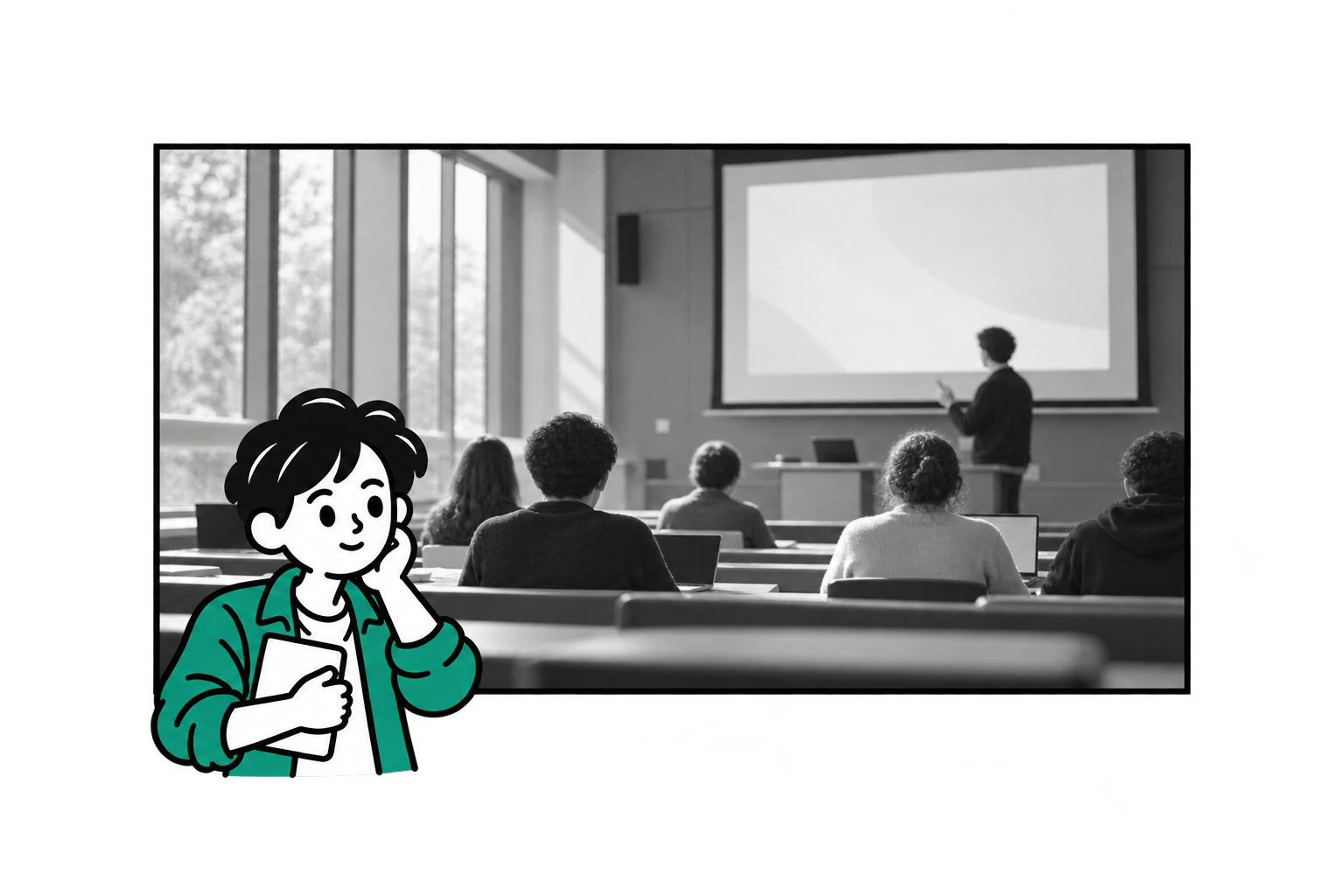
Syllink's story began with a difficulty my younger brother faced when he started graduate school.
In classes taught entirely in English, he had to understand the lecturer, read the course materials, take notes and keep track of classroom questions that counted toward his grade. With all of this happening at once, giving each part the attention it needed was difficult.
Listening, taking notes and thinking, all at once
To keep up in class, he started using live translation tools.
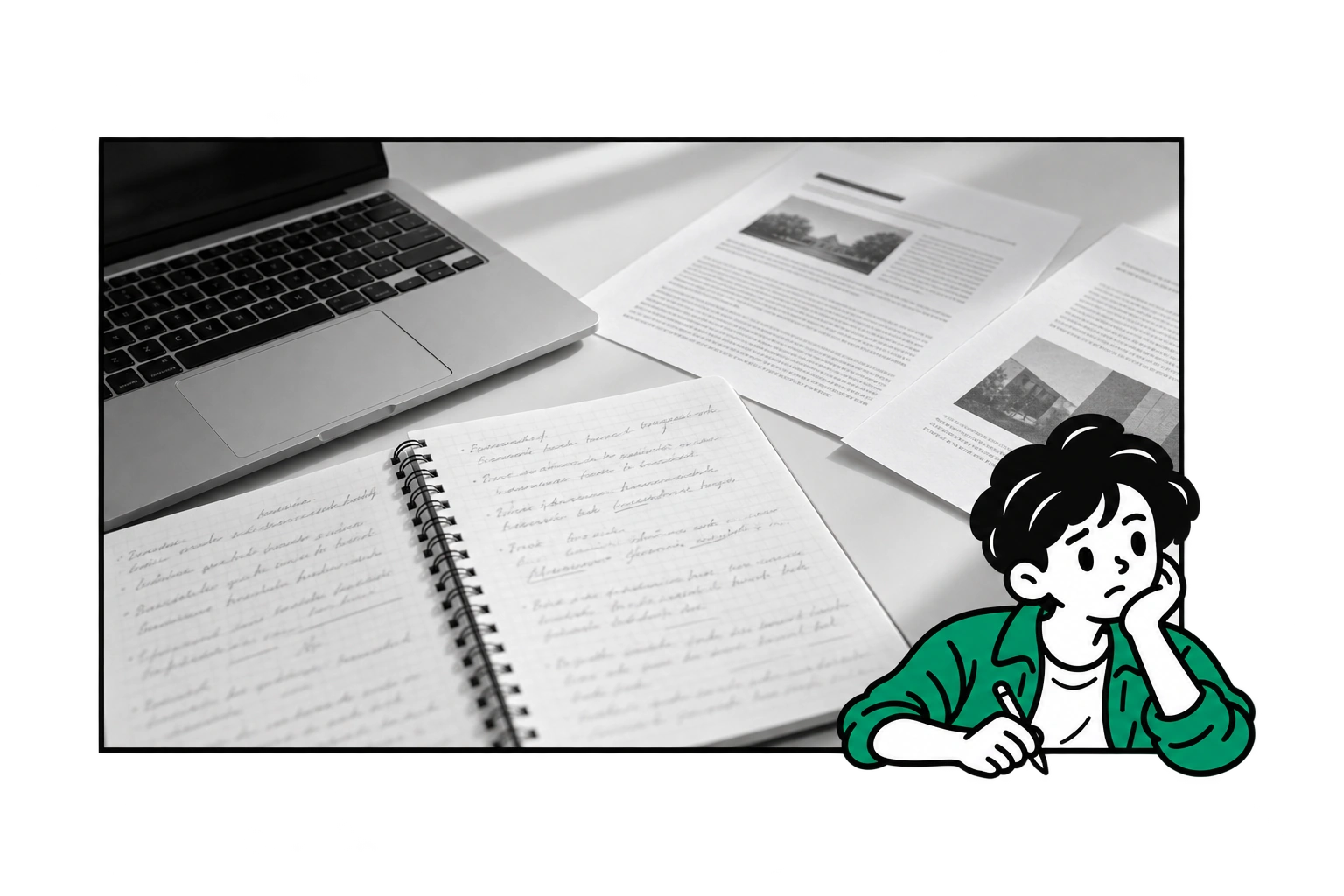
Translation helped, but the learning process was still scattered: translation in one window, course materials in another, and notes in separate apps. He had to keep switching between them while trying to follow the lecturer's train of thought.
Handwritten notes were also hard to keep up with. What he could not write down became gaps in his notes, and those gaps became questions he had to spend time piecing together after class.
We began to ask: how could these tools work together, so he could spend more of his energy understanding and thinking in class?

Bringing the learning process together
That is why we started building Syllink.
The original idea was simple: bring classroom translation, course materials, notes, AI summaries and after-class review into one learning space.
While listening, you could make sense of the explanation alongside the materials in front of you. When something was worth noting, you could write it down. After class, you could return to the same lesson, find the explanations, revisit the key points and keep learning.
So what happened in class would still be there to return to afterwards.
Starting with one person's difficulty
We started with my brother's experience, and we also hope to help other learners adapting to English-taught classes and facing similar difficulties.
There is already a lot for them to manage during a class. We hope Syllink can connect these parts more smoothly, leaving more attention for what the lecturer is saying and the questions they are thinking through.
This is what we want to keep working on:
Follow the ideas in class. Keep learning afterwards.